
Shopping Cart
- News
- 0 likes
- 79 views
- 0 comments
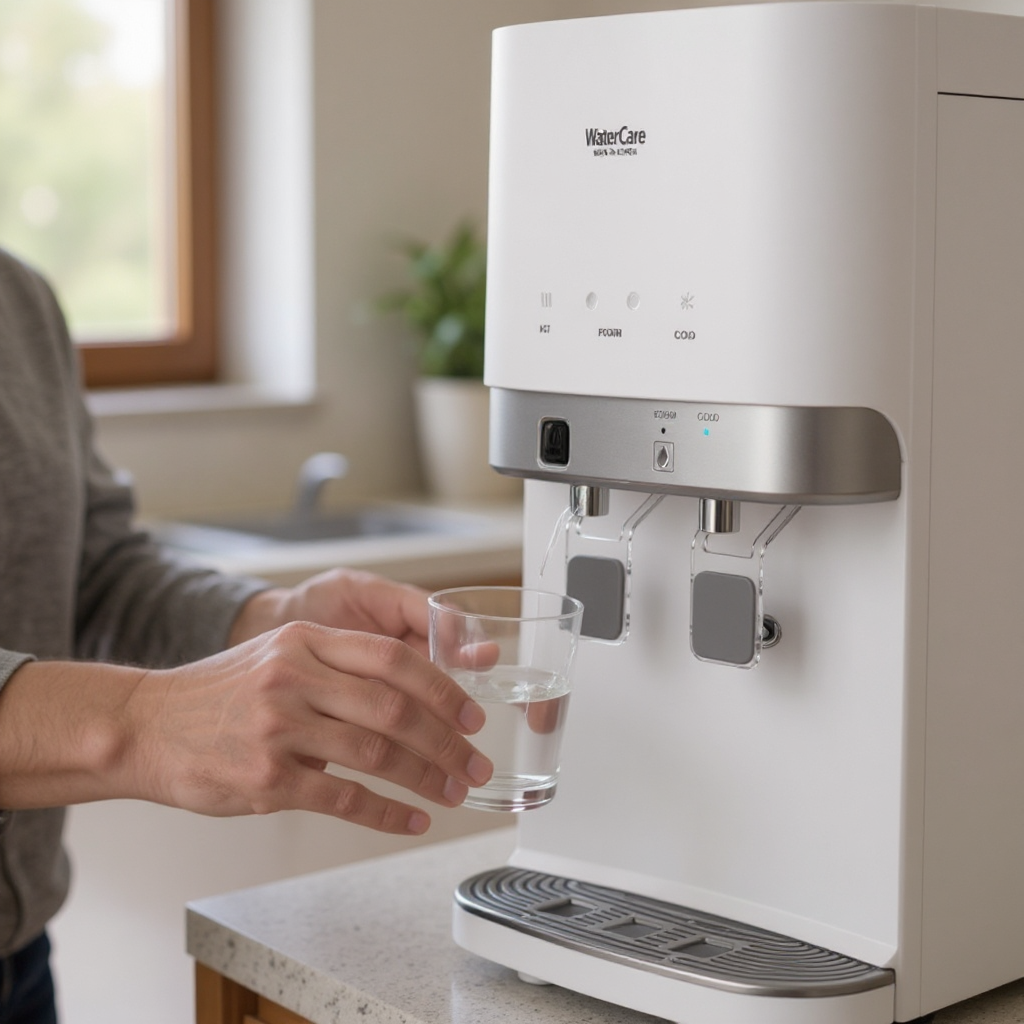
Technical Overview: Sediment, Pre-Carbon, Ultrafiltration and Post-Carbon Filters
To understand how modern water filtration systems deliver clean, safe and great-tasting drinking water, it helps to know what each filter stage does — including which contaminants it targets and how it works on a microscopic level. Below is a summary of the technical functionality, typical design and role of each type of filter used in advanced drinking water systems.
1. Sediment Filter — First Line of Defense Against Particles
Function:
A sediment filter is designed to remove larger physical impurities from water — such as sand, rust, soil, silt, suspended solids and coarse particulates — before the water reaches more sensitive filtration stages. ZASS Romania+1
Technical Characteristics
-
Micron rating: Commonly 1–5 microns, depending on design (i.e., it blocks particles larger than this size). ZASS Romania
-
Material: Typically made from polypropylene (PP) fibers formed into a pleated or melt-blown cartridge. Hightecindo
-
Role:
-
Reduces visible turbidity and large particulate matter.
-
Protects later filter stages (like carbon media or membranes) from clogging prematurely.
-
-
Why first: Because large particles can shorten the life of downstream filters if not removed early. Reddit
Mechanically, the water flows through the filter pulp where particles get physically trapped within the labyrinth of fibers — this structure allows a high flow rate with minimal pressure drop. Reddit
2. Pre-Carbon Filter — Chemical Adsorption and Taste Improvement
Function:
The pre-carbon filter (often referred to as activated carbon filter) is primarily used to remove chlorine, volatile organic compounds (VOCs), pesticides, herbicides, odors, and chemicals that affect taste. It uses adsorption — a chemical process where molecules adhere to the surface of the carbon media. Wisewell+1
Technical Specifications
-
Media: Activated carbon (often from coconut shell) — high surface area for chemical adsorption. Wisewell
-
Micron rating: Often nominally 5 microns (for particulate reduction) but primarily functions by chemical affinity rather than size exclusion. Wisewell
-
Operating limits: Typical carbon blocks operate at up to ~5.5 bar (80 psi) and temperatures up to ~38–45 °C depending on design. Wisewell
-
Contaminants reduced: Chlorine, unpleasant tastes/odors, many organic contaminants, and some pesticides/herbicides. Wisewell
Activated carbon works through microscopic pores and chemical bonding, where molecules of contaminants stick to the carbon surface — effectively removing them from the water stream. Wisewell
3. Ultrafiltration (UF) — Microbial and Particle Removal Without Chemicals
Function:
Ultrafiltration (UF) uses a membrane with extremely small pores (typically 0.01–0.1 microns) to physically block bacteria, protozoa and other microscopic contaminants without removing healthy dissolved minerals. Topwater
Key Technical Details
-
Membrane pore size: ~0.01–0.1 µm — significantly smaller than sediment filters and carbon media. Topwater
-
Contaminants removed:
-
Bacteria (e.g., E. coli, Salmonella)
-
Protozoan cysts (e.g., Giardia, Cryptosporidium)
-
Certain viruses and microplastics (depending on membrane design)
-
Suspended solids down to fine colloids Topwater
-
-
Minerals: UF generally retains beneficial dissolved minerals, making the water naturally healthy without additional remineralization. Topwater
-
Pressure: Operates under normal water line pressure without electricity.
How it works:
Water is forced through ultra-fine membrane pores. Particles larger than the pore size cannot pass through, while water and tiny dissolved minerals flow freely. This yields very high microbial reduction rates without wastage and without chemicals. Topwater
4. Post-Carbon Filter — Final Polishing for Taste and Purity
Function:
A post-carbon filter (sometimes called polishing carbon) is used as the last stage to remove residual tastes, odors and any small organic molecules that passed through earlier stages. It improves water palatability and clarity. ZASS Romania+1
Typical Specifications
-
Media: Activated carbon, often in a compressed block form for higher adsorption efficiency. Wisewell
-
Role: Polishes water by capturing subtle tastes or odors — especially those produced downstream (e.g., from storage tanks or tubing). Reddit
-
Service life: Often similar to pre-carbon stages, typically replaced every 6–12 months depending on use and water quality. ZASS Romania
Unlike the pre-carbon filter (which removes larger chemical contaminants early), the post-carbon stage focuses on subtle sensory qualities and ensures the water you drink tastes fresh and clean.
Putting It All Together: A 4-Stage Filtration System
When these stages are combined — sediment → pre-carbon → ultrafiltration → post-carbon — you get a robust system that:
-
Removes physical particulates and turbidity first.
-
Reduces chlorine and chemical contaminants for safer and better-tasting water.
-
Physically blocks biological contaminants without removing beneficial minerals.
-
Polishes final taste and odor for a refreshing finish.
Because each stage is designed with a specific physical or chemical mechanism, the combined system provides comprehensive protection and high water quality suitable for everyday drinking and cooking.
Comments (0)